
Find your next game like
Tell us a game you enjoy. We show you honest, tested matches, and exactly why each one fits.
Every match is evidence-checked · 18+ · no invented stats
Start with a slot you like
Type a game you already enjoy. One tap opens its profile.
We match on the real data
Mechanic, volatility, theme & max win, verified rather than popularity.
Get matches, with the reason
Five to eight tested matches, each with the reason it fits.
Browse a group, not just one game


 Megaways slotsUp to 117,649 ways, cascading wins.Explore →

 Tumbling-reel slotsSymbols vanish and drop for chained wins.Explore →

 Hold & win slotsLock-and-respin cash, home of the Big Bass family.Explore →

 High-volatility slotsRare, heavy hits for the big swing.Explore →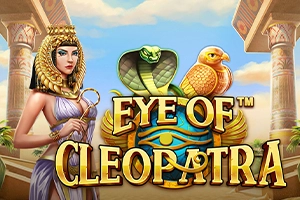
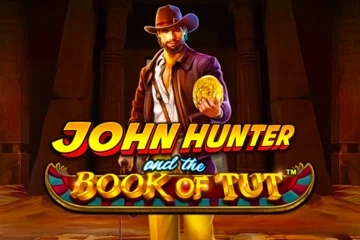
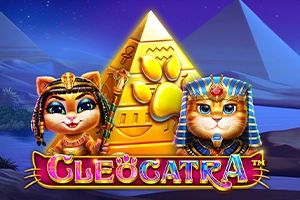 Egyptian-theme slotsBooks, tombs & expanding symbols.Explore →
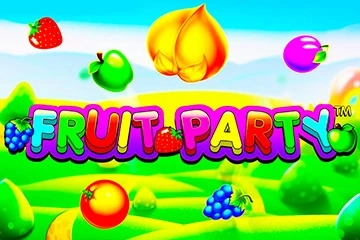 Cluster-pays slotsGrid wins, Sweet Bonanza’s cousins.Explore →
Full comparisons, one page per game
The studios behind the games, reviewed
We do not test slots in a vacuum. Every game we compare comes from a studio with its own signature, its own maths, and its own idea of what a good session feels like. Knowing who built a game tells you a lot about how it will play, so here is our read on the studios behind the games on this site, and what each one is known for.
 Pragmatic Play
The category's workhorse: enormous range, and reliably fun maths.
The most prolific studio in the modern slots market, and the maker of several games we compare most often. Gates of Olympus and Sweet Bonanza carry its tumbling-reels and cluster-pays style, while the Big Bass series defined the hold-and-win fishing genre. A house feel that runs from calm cluster games to volatile multiplier storms.
 NetEnt
Genre-defining polish, even if the biggest hits come slower now.
A veteran Swedish studio whose games shaped the category. Gonzo's Quest pioneered the Avalanche cascading-reels mechanic that inspired a generation of tumbling slots, and Starburst remains one of the most-played slots ever made. NetEnt's signature is polish: clean maths, dependable low-to-mid volatility staples, and the odd high-variance name like Dead or Alive.
 Play’n GO
Dependable and prolific, and strong on book and cluster slots.
A prolific Swedish studio best known for Book of Dead, the Egyptian book slot that helped define the expanding-symbol genre, and the Rich Wilde adventure series around it. Reactoonz brought a cluster-pays grid with a cult following. Play’n GO ships constantly across themes, so its games turn up on a lot of our comparison pages.
 Hacksaw Gaming
Sharp, modern, and built for players who want the big swing.
A modern studio that rose fast on sharp art and punishing maths. Wanted Dead or a Wild became one of the defining high-volatility slots of its era, and the wider catalogue leans hard into bonus-buy features and big top-end multipliers. When a player wants a heavier, riskier version of a game they like, Hacksaw titles come up often.
 Nolimit City
Unmatched for extreme volatility and genuinely inventive mechanics.
The studio for players chasing the biggest swings. Nolimit built its name on extreme-volatility games like Mental, San Quentin and Tombstone, wrapped in dark, uncompromising themes and driven by its own xWays and xNudge mechanics. These are not calm slots, and we flag them clearly, because the variance is the whole point.
 Big Time Gaming
The Megaways originator, and still a benchmark for the format.
The inventor of Megaways, the shifting ways-to-win engine that can reach 117,649 ways on a single spin and that dozens of other studios now license. Bonanza put the mechanic on the map. When a game you like is a Megaways title, Big Time Gaming is usually where the format started, and its own releases remain a benchmark.
The discipline that keeps it honest
The same rules that make our picks trustworthy stop this becoming a copy-paste “similar slots” farm.
The discipline is the whole difference. Anyone can generate a list of similar-looking slots by matching a few tags and calling it a recommendation. That is a farm, not a desk. What separates a tested recommendation from an auto-generated feed is the standard behind each choice: a person who has actually played the games, checked the provider data, and can say in plain terms why one slot belongs next to another.
We hold ourselves to four rules, and they apply to every single page on the site. Not the flagship pages, not a sampled few, but all of them. If a page cannot meet all four, it does not go out. That is a slower way to build a site, and it is the only way we are willing to build this one. The rules below are not marketing lines. They are the checks a page has to pass before it earns a place here.
Verified facts
Every RTP figure and max win we publish traces back to the provider's own data, not to a scraped aggregate or a rival's guess. Where a provider has not disclosed a number, we leave the field blank and say so rather than fill it with a plausible-looking figure. A missing number is honest. An invented one is not.
Specific reasons
Each match has to name the exact mechanic the two games share: tumbling reels, cluster pays, hold-and-win, a Megaways ways-count, a particular bonus structure. A vague "similar vibe" is not a reason and does not earn a place on the page. If we cannot state the shared feature plainly, the match does not run.
No defaults
We cap how often any single slot can appear across the site, so the handful of famous titles cannot quietly become the answer to everything. This forces each page to earn its recommendations on merit rather than fall back on the same crowd-pleasers. The result is a genuinely wider map of games, not a loop back to the usual few.
Honest freshness
Every page carries a real "last checked" date that moves only when a person has actually reviewed the game and its data again. We do not auto-stamp today's date to look current, and we do not hide when a page was last touched. If something is due a recheck, the date will show it.
The people who test the games
A named editorial desk with real gambling-media experience. Every review is written and checked by these people, never anonymous.
Every review on Slots Almanac is written and checked by named people with real experience in gambling media. Nobody publishes anonymously here, and the byline is not decoration. The person who tests a game is the person who writes its verdict, so the opinion you read comes from someone who actually sat with the reels, not from an editor summarising a spreadsheet second-hand. When a reviewer signs a piece, they are standing behind the specific claims inside it. That is the standard the desk is built on, and it is the reason the bios below carry names rather than a house voice.
Testing a slot means playing it long enough to understand how it behaves, not glancing at a spec sheet and paraphrasing the marketing. A reviewer takes a game through a proper session:
- base play across many spins
- every bonus feature triggered and seen through to the end
- the buy option used where one exists
- the maths features (tumbling reels, cluster pays, hold-and-win, expanding wilds, Megaways) put through their paces rather than described from a diagram
The point is to learn what the game feels like to sit in front of, how often it teases without paying, how volatile the swings feel in practice, and whether the features are as generous as they look on the promo screen.
Hands-on time beats a spec sheet because a spec sheet cannot tell you what matters most: pacing, tension, and whether the headline feature is genuinely worth chasing or fires so rarely it may as well not exist. Two games can share the same mechanic and feel nothing alike, and only play reveals that. So the verdict is grounded in the session, not in a datasheet. Where a review cites a specific figure, such as a return-to-player band, a volatility rating, or a maximum win, that number is checked against the provider's own published material or official game information before it goes live. If we cannot verify a claim against the source, we do not print it as fact. We would rather say plainly that a figure is unconfirmed than pass along a number we have not stood up ourselves.
Games change after launch. Providers ship updated versions, adjust return-to-player configurations, add or remove features, and operators sometimes run different builds. When that happens, the review is a live document, not a monument. If a game shifts in a way that alters the verdict, we go back, retest, correct the copy, and note that the review has been updated so you can see it reflects the current version rather than the one we first played. Corrections are treated as part of the job, not an embarrassment to bury. The aim throughout is a simple, honest promise: a named person tested this game, checked what could be checked, and will fix it when the facts move.

Keeps our coverage honest and safer play front and centre.
@RoyTheBoyF1View profile →
Leads slot testing, RTP checks and the maths behind every pick.
@davidburkeldnView profile →
Covers slot releases studio by studio, with a nose for feature-buy hype.
@martinwgreenView profile →
Tracks the newest slot mechanics and puts them through real play.
@travellingmoeView profile →
Reads the fine print on casino bonuses: wagering, weighting and withdrawal caps.
View profile →Play responsibly
Gambling should stay fun. Here is how to keep it that way.Online slots are games of chance. Every spin is decided by a random number generator, and no system, staking pattern, or "hot" machine changes the odds in your favour. There is no skill or strategy that guarantees a win, and no way to make a game due to pay out. Slots are a form of entertainment, and the cost of that entertainment is the money you stake. Treat them as something you spend on for fun, not as a way to make money or to recover money you have already lost.
Decide what you can comfortably afford to lose before you play, and set that as a firm budget. Licensed operators give you tools to hold yourself to it: deposit limits, loss limits, time-outs, reality-check reminders, and self-exclusion. Turn these on at the start rather than in the heat of a session, when a limit is far easier to set than to respect. Playing within a fixed budget, with limits already in place, is the single most reliable way to keep slots enjoyable.
Watch for the signs that it has stopped being fun:
- chasing losses to win money back
- playing longer or more often than you intended
- betting money you cannot spare
- feeling anxious, secretive, or low about how much you are playing
If any of that sounds familiar, take a break and reach out. Free, confidential help and advice are available through GamCare and BeGambleAware, whose support is independent of any operator and available whether you gamble a little or a lot. Asking for help early is a sign of good judgement, not failure. This site and its content are strictly for adults aged 18 and over.
About the Almanac
What do you actually mean by "games like" a slot? Is it just an automated similar-games grid?
No. A generic similar-slots grid is built by an algorithm that groups covers by studio, theme tag, or release date, then serves you a wall of art with no reason attached. You have seen those grids: fifty thumbnails, zero explanation of why any of them belong. We do the opposite. Every match on this desk is a tested comparison against the specific game you named, written by someone who has played both.
We match on the five things that decide how a slot actually feels in your hands:
- the core mechanic: tumbling reels, cluster pays, hold-and-win, or ways-to-win
- the volatility band
- the theme and mood
- the max-win band it can realistically reach
- the feel of the bonus round: how it triggers, how often it teases, what the big hit looks like when it lands
Because we match on those, a pick can share a theme with your game and still be rejected, or share almost no art and still be the closest match on the page. Every entry states the specific reason it fits, in plain terms. If we cannot name why a game plays like the one you searched, it does not go on the list.
How do you decide which alternatives make the list, and how do you stop it becoming a copy-paste content farm?
Every candidate has to pass a swap test. We ask a simple question: if you closed the game you named and opened this one instead, would the session feel like a fair substitute? Same kind of tension, same sort of bonus payoff, a max-win band in the same neighbourhood. If the honest answer is no, the game is cut, however well it would rank for the keyword.
To keep us honest, every pick has to carry at least two concrete facts that would be false if the game did not belong. For example:
- "Same tumbling-reels mechanic, and it reaches a similar top-end multiplier band on the buy."
- "Same high-volatility profile, and the free-spins round retriggers the way the original's does."
Those facts are the load-bearing part of the entry. They are checkable, and they are specific to the pairing, which is exactly what a doorway page or a copy-paste farm cannot produce. A farm outputs interchangeable filler. A page that names two things that would be wrong for the wrong game cannot be reused for a different game, and that is the point.
Why might a slot's real RTP differ from the figure you show?
Studios routinely ship the same game at more than one RTP. A single title can exist in several versions, and the one you land on depends on the operator, your region and licensing rules in your market. So the theoretical return advertised on one site can genuinely differ from another, even for a game with the same name and artwork.
Because of this, we treat RTP as a property of a specific build, not a single fixed truth. Where a provider publishes a headline or default figure, we show that and label it as the studio's stated value. Where a game is known to circulate in multiple configurations, we say so rather than pretend there is one number.
- Default or advertised RTP set by the studio
- Lower regional or operator-selected versions of the same game
- Feature-buy variants, which can carry a different return
The practical takeaway: always check the RTP shown inside the game itself at the casino you are playing, usually in the info or paytable screen. That in-client figure is the one that applies to your session. Treat our number as the provider baseline, and let the game's own screen have the final word.
Do casinos that pay you get ranked higher?
No. Rankings and recommendations are decided by how a game plays and how well it fits the one you named, never by who pays us. Some links on this site are affiliate links, which means if you sign up through them we may earn a commission. That arrangement has no bearing on whether a game appears, where it sits, or what we say about it.
We keep the two things separated on purpose. The editorial judgement (what a slot does, who it will suit, how it compares) is made first. Commercial links are attached afterwards and only where an operator is one we would point a reader to anyway. We do not sell placement, and there is no paid position in any list.
You will see disclosure wherever money could change hands, so you always know when a link is commercial. If keeping a recommendation honest ever conflicts with a commercial arrangement, the recommendation wins. A testing desk that quietly ranks by payout is not a testing desk, it is an advert, and that is not what we are building.
Can I play these slots for free, and is this gambling advice?
Most of the slots we cover can be played for free in demo mode, and trying one that way is a sensible first move. A demo runs on play-money and behaves like the real game, so you can feel the pace, the volatility and the features before you decide whether to stake anything. If a game only feels fun with real money on the line, that is worth knowing before you deposit.
To be clear about what this site is: we describe how games work, we do not give gambling advice and we do not promise outcomes. Slots are entertainment, not a way to make money. The house edge is built in, results are random, and no game or strategy changes that. Treat any spend as the cost of the entertainment, not an investment.
- Play only with money you can afford to lose
- Use deposit limits, time limits and reality checks
- Self-exclusion is available if you need to stop
This content is for adults aged 18 or over. If gambling stops being fun, support is available, and stepping away is always the right call.